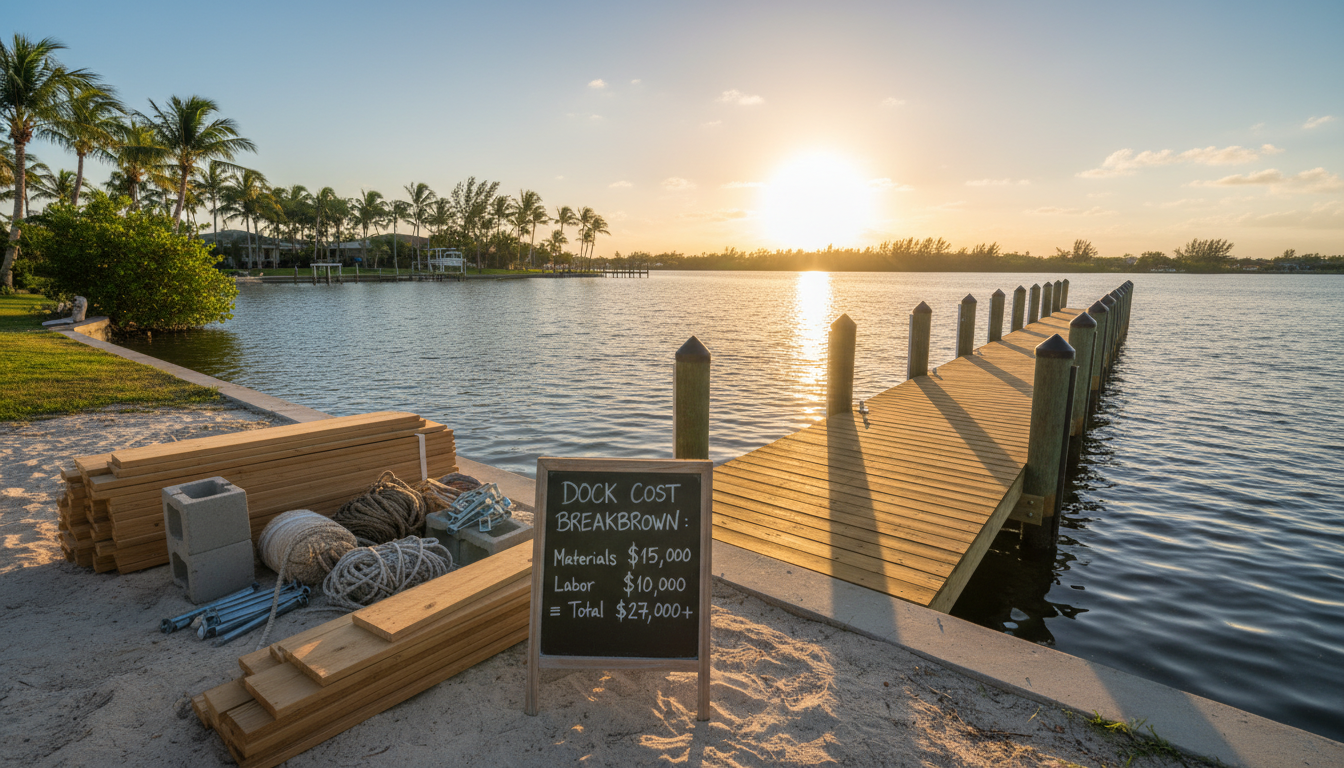
Surprising fact: the average price for a waterfront structure landed at about $14,835, while actual bids ranged from $750 up to $65,000.
You likely want clarity before any project starts. Location, material choice, and local codes were flagged by HomeAdvisor editor Ryan Noonan as top price drivers. That means planning pays off.
Many homeowners find a well-planned pier gives easier access for your boat and boosts waterfront use. Still, local weather and environmental rules can change timelines and expense.
When searching for dock builders, get several quotes and confirm permits early. Hiring experienced pros helps you navigate codes and avoid surprise bills during construction.
Key Takeaways
- Average project price sits near $14,835, with a wide range based on complexity.
- Material and location choices are the main drivers of final price.
- Weather and environmental conditions affect timelines and permits.
- Get multiple quotes from reputable dock builders before you decide.
- Experienced contractors ease permit work and reduce unexpected expenses.
Understanding How Much Does It Cost to Build a Dock in Cape Coral Florida
Estimating a waterfront project starts with the material you pick and the size you need. Pressure-treated wood often runs about $25–$35 per square foot in nearby markets, while composite decking sits near $40–$60 per square foot.
Those per-foot figures affect the overall price and long-term maintenance burden. Wood is familiar and usually cheaper up front, but Florida humidity means regular sealing and repair.
Think beyond decking: pilings, hardware, and marine-grade fasteners change the final numbers. Experienced marine contractors help match the design to your boat needs and local water conditions.
Many homeowners find that investing in higher-quality materials saves on future repairs. Balancing upfront cost with long-term upkeep will protect your property value and keep the waterfront usable for years.
- Compare square-foot prices for wood vs composite.
- Factor in labor, pilings, and hardware.
- Plan the budget around expected marine wear and maintenance.
Primary Factors Influencing Your Total Project Price
The total price often hinges on three simple elements: size, labor, and site conditions.
Size and Square Footage
Square footage drives both material and installation time. A typical 300-square-foot example ranges from about $4,500 to $10,500 depending on your chosen materials and decking style.
Labor and Installation Costs
Labor often makes up roughly half of the budget. Skilled carpenters bill near $75–$125 per hour, and structural engineers may charge $70–$250 per hour for complex designs.
Depth of the water and seafloor composition add complexity. Those site factors affect piling work, permitting, and the length of installation.
| Factor | Typical Impact | Range |
|---|---|---|
| Size (sq ft) | Material and labor scale | 300 sq ft: $4,500–$10,500 |
| Labor | ~50% of budget | $75–$125/hr (carpenters) |
| Site conditions | Installation complexity | Varies by depth and seafloor |
- Plan design early to manage the final price and budget.
- Hire reputable dock builders to ensure shoreline and safety rules are met.
Comparing Popular Dock Materials and Durability
Picking the right deck material sets the tone for longevity and upkeep of your waterfront platform. Your choice affects upfront price, long-term maintenance, and how well the structure resists saltwater and sun.
Comparing Wood, Composite, and Aluminum
Cedar starts as the most economical wood, near $4 per square foot, while exotic hardwoods like Ipe may reach $25 per square foot.
Composite and aluminum decking typically land in the $30–$40 per square foot range. These types resist UV and moisture better and need less upkeep.
Prefabricated aluminum floating docks can be the lowest entry point. Basic small kits often begin around $750.
| Material | Typical Price | Durability / Maintenance |
|---|---|---|
| Cedar | $4 / sq ft | Lower up front; more sealing and repairs |
| Ipe (hardwood) | $25 / sq ft | High durability; higher labor and price |
| Composite / Aluminum | $30–$40 / sq ft | Low maintenance; great for saltwater |
Tip: water depth and bed composition determine pile length and installation complexity. Treat metal components for saltwater corrosion and plan with durable materials so your boat access stays safe for years.
Essential Add-ons for Your Waterfront Structure
Smart accessories protect your vessel, boost safety, and save you money during future maintenance.
Boat Lifts and Mooring Whips
Boat lifts shield hulls from saltwater and tidal swings. Prices vary wide, roughly $1,000–$15,000 depending on type and size.
Mooring whips reduce wake damage and typically run $300–$500 each. Both items help protect your investment.
Lighting and Safety Features
LED underwater and post lighting improves visibility and ambiance. Expect installation around $750–$2,000 for a standard scope.
Simple safety add-ons like ladders cost $100–$600 and are essential if you swim or launch near the structure.
Storage and Utility Add-ons
Storage boxes range $500–$1,500. Ramps for small watercraft add $500–$1,000 and ease daily use.
Tip: integrating these items during initial construction is usually more affordable than retrofits and lowers labor and installation costs.
- Plan early: include lifts and lighting in your budget.
- Match materials: choose corrosion-resistant parts if you use composite decking or metal hardware.
Navigating Local Permitting and Environmental Regulations
A clear permit path makes the difference between a smooth waterfront project and costly delays.
You’ll typically face permit fees ranging from about $500 to $2,000 depending on your project scope and municipal rules. Local agencies often limit docks to one-quarter of the waterway width to protect navigation and shoreline habitat.
Environmental rules are strict where saltwater meets freshwater. Those protections guard fragile beds and seagrass and affect the placement and depth of any permanent structure.
Hire a skilled marine contractor early. They will align your plans with city, county, and HOA permitting and advise on water depth and bed composition requirements. Proper paperwork avoids fines and installation delays.
Tip: plan around local conditions. Tides, depth, and shoreline factors will dictate materials and installation methods that regulators accept.
| Topic | Typical Rule | Why it Matters |
|---|---|---|
| Permit fees | $500–$2,000 | Budget and timeline impact |
| Width cap | Max 25% of channel | Protects navigation and habitat |
| Site review | Water depth & bed surveys required | Determines piling length and method |
| Contractor role | Permitting assistance | Saves time and reduces compliance risk |
Why Hiring Professional Marine Contractors Matters
Hiring a skilled marine contractor can save you time and prevent costly rework during waterfront construction. A pro brings hands-on experience with permitting, local codes, and marine-grade materials that resist saltwater and sun.
You get help with design choices that match your boat and property. That lowers long-term maintenance and unexpected costs.
Contractors know tidal patterns and seabed conditions. That expertise ensures correct installation of boat lifts and pilings, which protects your investment and improves safety.
Always request at least three quotes from reputable dock builders. Read reviews, compare labor estimates, and confirm warranties and post-installation support.
| Service | Why it matters | Typical impact |
|---|---|---|
| Permitting help | Saves time and avoids fines | Fewer delays |
| Marine-grade materials | Resists corrosion | Lower maintenance |
| Tidal & site knowledge | Correct installation | Safer lifts and docks |
Tip: hiring licensed builders often includes warranties and follow-up work, giving you peace of mind for the whole project and helping keep your budget steady.
Impact of Dock Construction on Your Property Value
A custom waterfront structure can turn ordinary shoreline into a sought-after feature for buyers. Real estate experts estimate a well-built dock raises property value by about 8% to 15%, depending on quality and extras.
Long-term Return on Investment
Permanent builds using high-grade materials like composite decking or exotic wood deliver the best long-term value. They resist wear and keep the waterfront attractive for years.
Adding practical upgrades such as boat lifts and professional lighting improves function and curb appeal. Those features often speed sales and support higher asking prices.
Size and thoughtful design should match neighborhood norms. Oversized or out-of-place structures can hurt resale rather than help it.
- Durability: choose corrosion-resistant parts for lower upkeep.
- Maintenance: regular care keeps the dock an asset, not a liability.
- Market fit: align size and style with nearby properties to maximize value.
| Feature | Impact | Typical Benefit |
|---|---|---|
| Quality decking | Higher longevity | Better resale value |
| Boat lifts | Enhanced use | Faster sale |
| Professional lighting | Improved safety | Boosts appeal |
Conclusion
Smart planning and the right team turn waterfront ideas into lasting value.
You face a meaningful project that needs clear budgeting, solid materials, and skilled dock builders. Hire local marine pros early so permitting and site work go smoothly.
Prioritize durable components and fair labor estimates to protect long-term return. A well-kept dock improves daily use and lifts overall property value.
In short, invest time in design, get multiple bids from trusted builders, and confirm permits before construction begins. With that approach, your new waterfront feature will serve you well for years.
FAQ
What affects the price of a waterfront structure?
Several factors change your total: size and square footage, decking material, piling type, site access, water depth, and soil conditions. Add-ons such as boat lifts, railings, and lighting raise the final bill. Labor rates and seasonal demand in southwest Florida also play a big role.
Which materials hold up best in saltwater environments?
Marine-grade options include pressure-treated timber, tropical hardwoods like ipe, composite decking from brands such as Trex or TimberTech, and aluminum framing systems. Each balances durability, maintenance, and upfront price differently—composite resists rot and needs less care, while exotic hardwoods offer strong aesthetics and longevity.
Do boat lifts add a lot to my project budget?
Yes. Electric boat lifts, hydraulic systems, and personal watercraft lifts vary in capacity and cost. Expect to pay extra for higher horsepower ratings, stainless hardware, and corrosion-resistant components. Local installers can advise on proper sizing and permitting needs for lifts.
What permitting steps are required for a seaworthy structure?
You’ll need municipal shoreline permits, state environmental authorizations from the Florida Department of Environmental Protection or county agencies, and possibly Army Corps clearance for certain projects. Surveying, engineering plans, and mitigation measures for mangroves or seagrass may be required.
How long does installation usually take?
Typical timelines run from one week for small, simple platforms up to several months for complex builds with lifts, pilings, and permits. Weather, tides, and contractor schedules affect timing. Your marine contractor should provide a clear schedule before work starts.
Will a new dock increase my property value?
Properly designed waterfront improvements often boost resale appeal and can increase value, especially when they include durable decking, safe access, and well-sized boat lifts. ROI depends on neighborhood comparables and the quality of materials and workmanship.
How do maintenance needs compare between wood and composite?
Wood requires regular sealing, staining, and inspections for rot or marine borer damage. Composite decking reduces sanding and staining chores but can still show UV fading and needs occasional cleaning. Fastener and structural checks remain important for both choices.
Can you build on shallow lots or lots with soft bottoms?
Yes, but design changes may be necessary. Longer pilings, pile caps, or wider footings help on soft substrates. For very shallow water, you may need a ramp and floating sections. A geotechnical or marine engineer can confirm the best approach.
What safety and lighting options should you consider?
LED deck lighting, solar step lights, non-slip decking, handrails, and safety ladders are common upgrades. Low-voltage systems with ground fault protection keep things safe near water. Proper layout and signage help if you plan to rent slips or host guests.
How do seasonal conditions affect building and materials?
Hurricane season and heavy rains influence scheduling and structural requirements. Builders often reinforce pilings and use hurricane-rated hardware. Corrosion from salt spray favors stainless steel fasteners, aluminum framing, and composite materials for longevity.
What should you ask potential marine contractors?
Verify licenses, proof of insurance, references from local projects, and familiarity with county permitting. Ask about warranties, material brands they use (for example, Trex, TimberTech, or marine-grade aluminum suppliers), and timelines. Get a written estimate and payment schedule.
Are there financing or incentive programs for waterfront projects?
Some homeowners finance through home equity lines or contractor partnerships. In limited cases, grants or resilient retrofit programs exist for storm-hardening work. Check local county programs and consult a financial advisor for options that fit your budget.