Surprising fact: more than a quarter of waterfront repairs in Southwest Florida stem from poor initial work.
You rely on your dock and seawall every day. Making the right hire protects your property, safety, and waterfront views.
Since 1996, local pros like WB Williamson Bros. have helped homeowners manage installations and emergency fixes. Their long local history shows why local experience matters near tidal waters and shifting soils.
Understand the coastal setting first. Know permit needs, materials that resist salt and storms, and the look you want for your shoreline. That groundwork makes hiring decisions clearer and helps avoid costly surprises.
Key Takeaways
- Local experience greatly reduces risk for waterfront projects.
- Early planning on permits and materials saves time and money.
- Long-serving firms like WB Williamson Bros. offer trusted local know-how.
- Prioritize safety, durability, and coastal compatibility.
- Clear expectations make emergency repairs and new installs smoother.
Understanding Your Marine Construction Needs
Identify the exact functions your dock, seawall, or boat lift must serve. Start by listing daily uses, seasonal needs, and long-term goals for your waterfront property. That clarity guides scope, budget, and material choices.
Identifying Project Scope
Decide whether the project is new installation, repair, or upgrade. Note if you need boat lifts, a new dock, or seawall reinforcement. Share dimensions, access limits, and ideal timelines with your prospective team.
Make a simple checklist:
- Primary use (boating, fishing, recreation)
- Structures needed (dock, seawall, lift)
- Access and staging space for equipment
Assessing Environmental Challenges
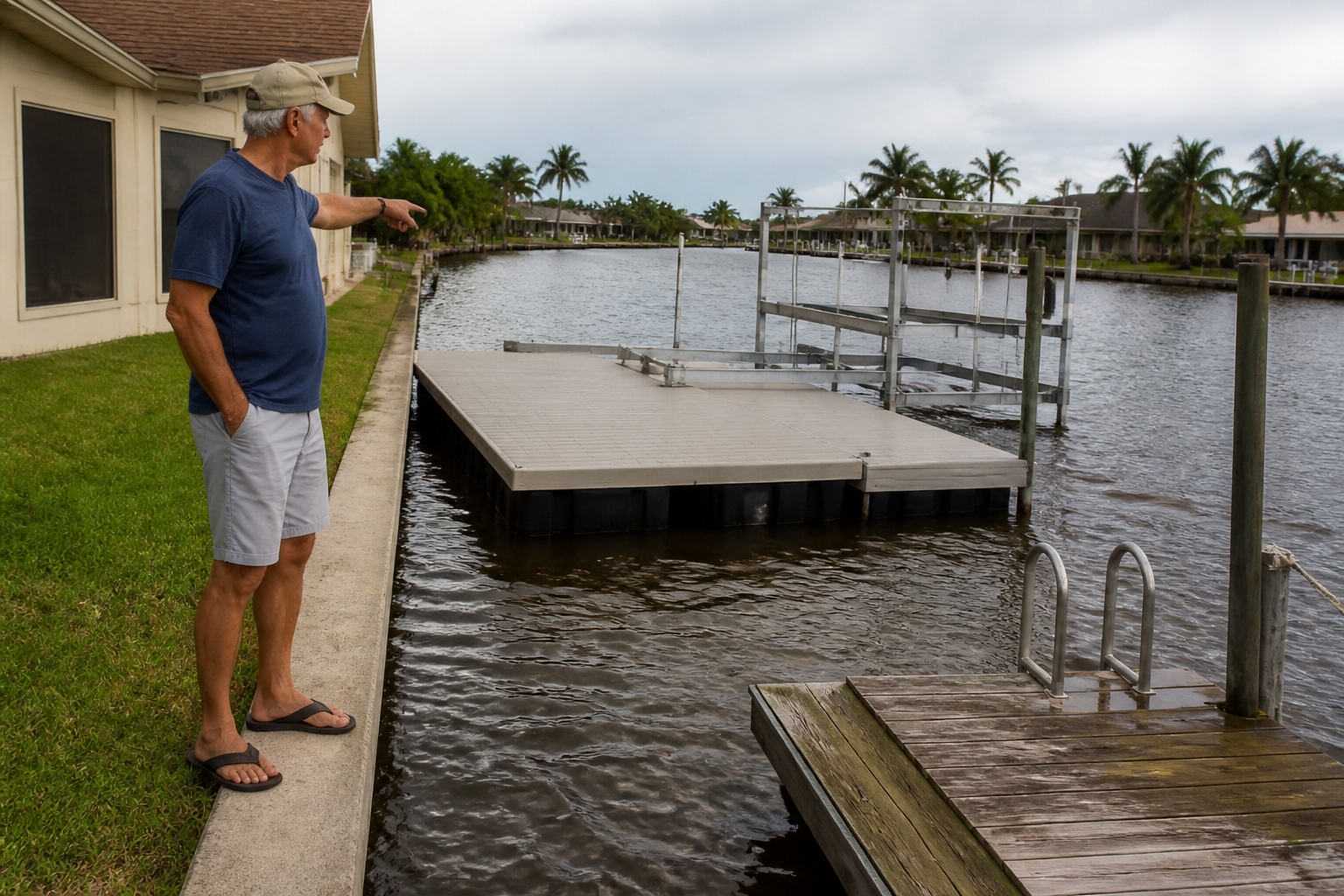
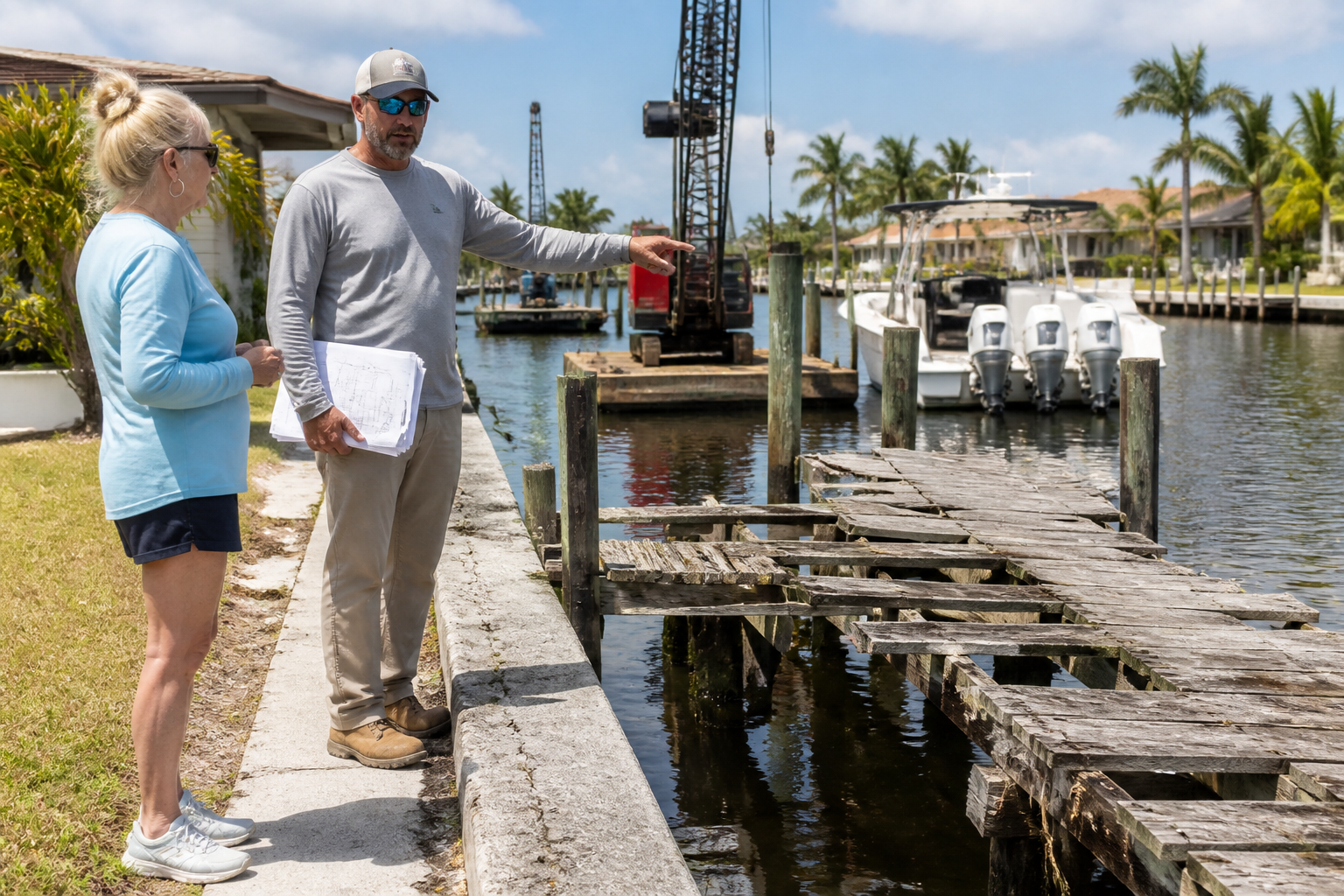
Water levels, tidal shifts, and soil erosion will affect materials and methods. Expect barges, cranes, and heavy equipment for many waterfront construction services.
Early damage assessment protects your investment. A skilled team with local experience can recommend materials and solutions that withstand salt, storms, and shifting soils.
How to Choose a Marine Contractor in Cape Coral Florida
Local track records matter more than flashy portfolios for waterfront work. Look for companies with clear evidence of completed projects along nearby canals and bays.
Prioritize full-service firms. When a company handles docks, seawalls, and tiki huts in-house, communication stays tight and schedules stay steady. That often reduces delays and change orders.
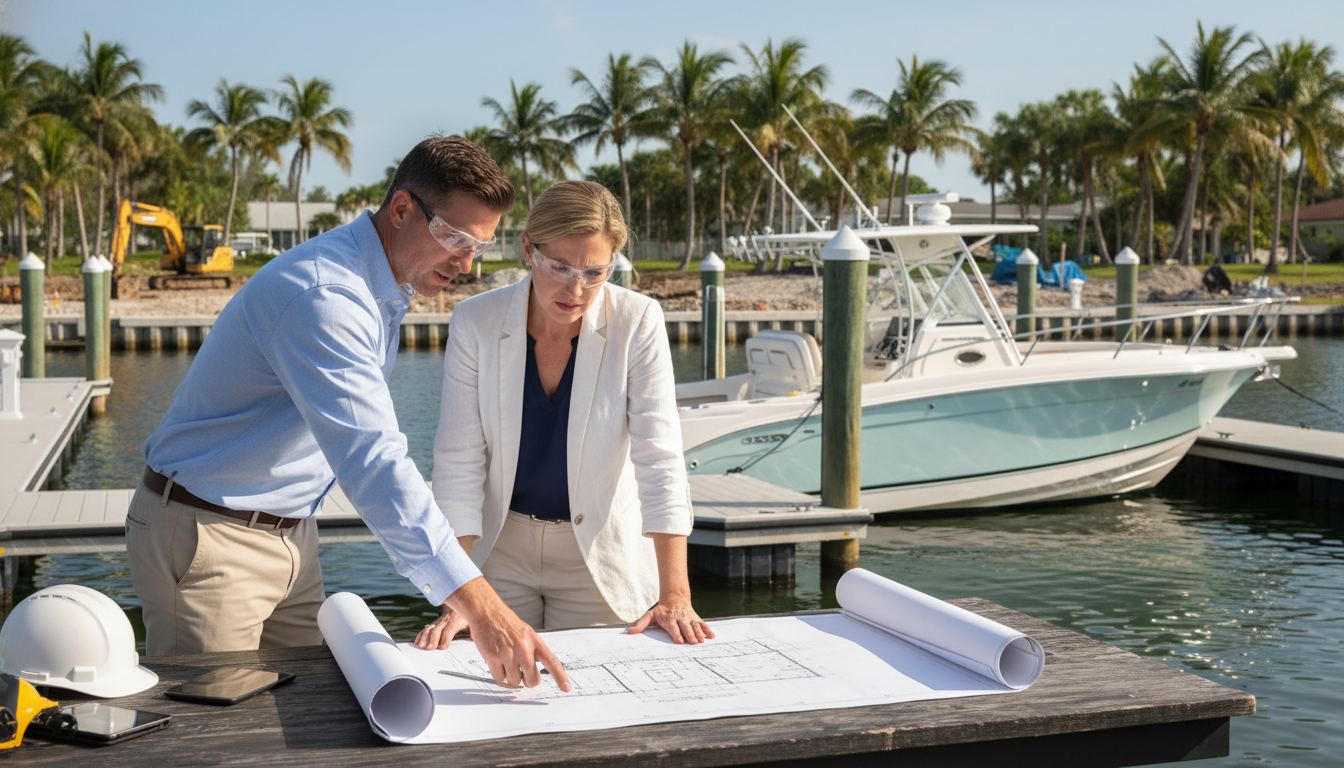
Contact today a few candidates. Ask about timelines, permits, materials, and staffing. Meeting early reveals whether their team understands your property needs.
- Verify past docks and seawalls work and request photos.
- Compare warranties, insurance, and staging plans.
- Assess local experience and references for similar projects.
WB Williamson Bros. is one of the few local companies offering complete in-house services. That track record can help you choose right and protect your waterfront investment.
Verifying Credentials and Licensing Requirements
Before any waterfront work begins, confirm credentials that protect your property and pocketbook. Valid licenses and solid insurance show a company’s compliance with state regulations and practical experience with coastal risks.
Essential Florida Certifications
Check for a Florida Marine Contractor License (FMCL). This license proves the firm meets construction regulations and has the knowledge to manage permits and local regulations.
Also verify insurance and bonding. Confirm general liability and workers’ compensation. These policies limit your exposure if equipment causes damage or someone is hurt during the project.
- FMCL verification is a required step for safe marine construction and seawall work.
- Qualified teams follow strict installation rules to avoid long-term damage from poor materials or methods.
- A certified firm will navigate permits, local regulations, and offer durable solutions for dock and seawall projects.
Final check: ask for license numbers, recent project references, and proof of insurance before signing. This small step protects quality and reduces costly surprises later.
Evaluating Past Projects and Client References
Past projects reveal how a team handles real-world waterfront challenges. Start by scanning portfolios and client feedback before you invite bids. Quick checks save time and help you pick the right firm for your seawall or dock needs.
Reviewing Portfolios
Look for clear photos and project notes that show methods, materials, and final results. Companies like Yelton Construction have decades of marine construction services on display. That history is useful when you compare quality and scope.
Checking References
Ask for recent client contacts and call them. Focus on timelines, communication, and whether repairs held up through storms. Honest recommendations reveal how a company handles problems and follow-up services.
Identifying Red Flags
- Poor or missing documentation for past projects.
- Vague answers about materials or warranties.
- Unwillingness to share local references or permit records.
Final step: verify credentials and compare at least two construction companies before you sign. This simple process helps you choose right and protect your waterfront investment.
Assessing Emergency Response and Maintenance Capabilities
Emergency response matters when your seawall or dock suffers sudden damage. You want a team that answers quickly and follows clear protocols.
Ask whether the company keeps specialized equipment ready for urgent jobs. Barges, cranes, and pile drivers help stop damage from spreading.
Verify that the firm understands local regulations about emergency repairs. Proper permits and documented procedures reduce delays and legal headaches.
Maintenance plans are just as important. Regular inspections catch weak points early and cut the chance of emergency calls.
Choose companies that offer routine services, long-term solutions, and written schedules for upkeep. That protects your waterfront property and helps your project last.
Comparing Repair Versus Replacement Options
Budget, lifespan, and site conditions guide whether repair or full replacement is best for your seawall and dock structures.
Costs matter: typical repairs range from $10,000 to $50,000, while full seawall replacement often runs $50,000–$200,000. Repairs can buy 5–10 years with a concrete cap fix. A full replacement may last 30–50 years.
Deciding is an important investment step. You should get an inspection that checks piles, erosion, and hidden damage. A qualified contractor will weigh local challenges, regulations, and installation requirements.
- Compare long-term costs and time for each option before you sign.
- Minor fixes often suit boat lifts and small damage; major failure usually needs replacement to meet safety rules.
- Ask for clear recommendations that list materials, lifespan, and expected maintenance.
Final step: balance upfront cost with expected service life and the experience of the team. That gives you the best solution for your waterfront project and property needs.
Conclusion
strong, Protecting your shoreline is one of the smartest investments you can make for long-term waterfront peace of mind.
Verify credentials, review past projects, and confirm emergency response capabilities before you sign. These steps help secure quality construction and reliable service for any dock or seawall work.
Contact today a local company for clear recommendations and written plans. A dedicated team of contractors will deliver solutions, handle repairs, and support ongoing maintenance that preserves your property value.
Final note: compare quotes, check references, and pick marine construction companies that offer transparency and strong workmanship. That way you choose right and protect your waterfront investment.
FAQ
What should you list first when planning a seawall, dock, or boat lift project?
Start with your property’s goals and limits: shoreline length, tidal exposure, boat size, and desired lifespan. Note drainage, landscaping, and access for heavy equipment. This helps contractors give accurate estimates and recommend materials like concrete, vinyl, or aluminum.
How do you evaluate a company’s local experience and past work?
Ask for recent portfolios and site addresses you can visit. Look for completed projects on similar waterfronts and check online reviews on Google and Yelp. Request before-and-after photos and details about permits, timelines, and any unforeseen issues they handled.
Which licenses and permits should the team hold for seawall or dock work?
The crew should have a Florida construction license, local county permits, and US Army Corps of Engineers or FDEP coordination when required. Verify contractor insurance, worker’s comp, and vessel liability. Ask for copies before work starts.
What questions reveal a contractor’s construction methods and quality control?
Ask about foundation preparation, piling types, corrosion protection, and concrete mix designs. Inquire how they inspect during installation and what warranties they offer on materials and workmanship. A detailed answer shows professionalism.
How do you weigh repair versus full replacement for damaged structures?
Consider age, extent of damage, and expected future use. Repairs suit minor issues like localized rot or fastener failure. Replacement makes sense for widespread corrosion or settling. Get written assessments and cost comparisons from at least two firms.
What emergency response services should a reliable company provide?
The firm should offer fast assessments, temporary shoring, and 24/7 contact for storm damage. They must coordinate debris removal and emergency permits when needed. Request an emergency plan and average response times.
How important is equipment and crew access for waterfront projects?
Very. Heavy cranes, barges, and low-ground-pressure machines influence schedule and cost. Confirm the contractor owns or reliably charters appropriate gear and can stage equipment without damaging neighboring properties.
What red flags suggest a contractor may not be the right fit?
Beware of vague bids, pressure to sign immediately, lack of local references, no proof of insurance, or refusal to provide a written timeline. Unclear payment schedules and missing permit info are also warning signs.
How should you compare written estimates and contracts?
Compare scope, material specs, permit responsibilities, change-order rules, completion dates, and warranty terms. Look for clear payment milestones tied to deliverables rather than vague percentages.
Can contractors help with permitting and environmental compliance?
Yes. Reputable firms handle permit applications, site surveys, and coordination with permitting agencies like county environmental departments. They should explain mitigation measures for mangroves, seagrass, and water quality protection.
What maintenance services should you expect after installation?
Regular inspections, pile and fastener checks, cleaning, and small repairs keep structures safe. Some companies offer seasonal maintenance plans and emergency call-outs—ask for details and pricing.
How do warranties and guarantees typically work for construction and materials?
Expect separate warranties: one from the manufacturer for materials and one from the contractor for workmanship. Clarify durations, coverage limits, and procedures for claim handling before signing.
What role do materials and design choices play in long-term costs?
Higher-quality materials and proper design reduce future repairs and extend service life. Consider corrosion-resistant metals, treated timber, or concrete with additives for saltwater. Upfront investment often lowers lifecycle costs.
Should you ask about financing or phased project options?
Yes. Many companies offer payment plans, phased construction, or can recommend local lenders. Phasing helps manage budget and allows urgent repairs first, with upgrades later.
How can you verify insurance and bonding before work starts?
Request certificates for general liability, worker’s compensation, and marine liability. Call insurers to confirm policies are current. For larger projects, ask about performance bonds to protect your investment.