Surprising fact: more than 40% of shoreline structures on Florida’s Treasure Coast show some form of structural distress within 20 years of installation.
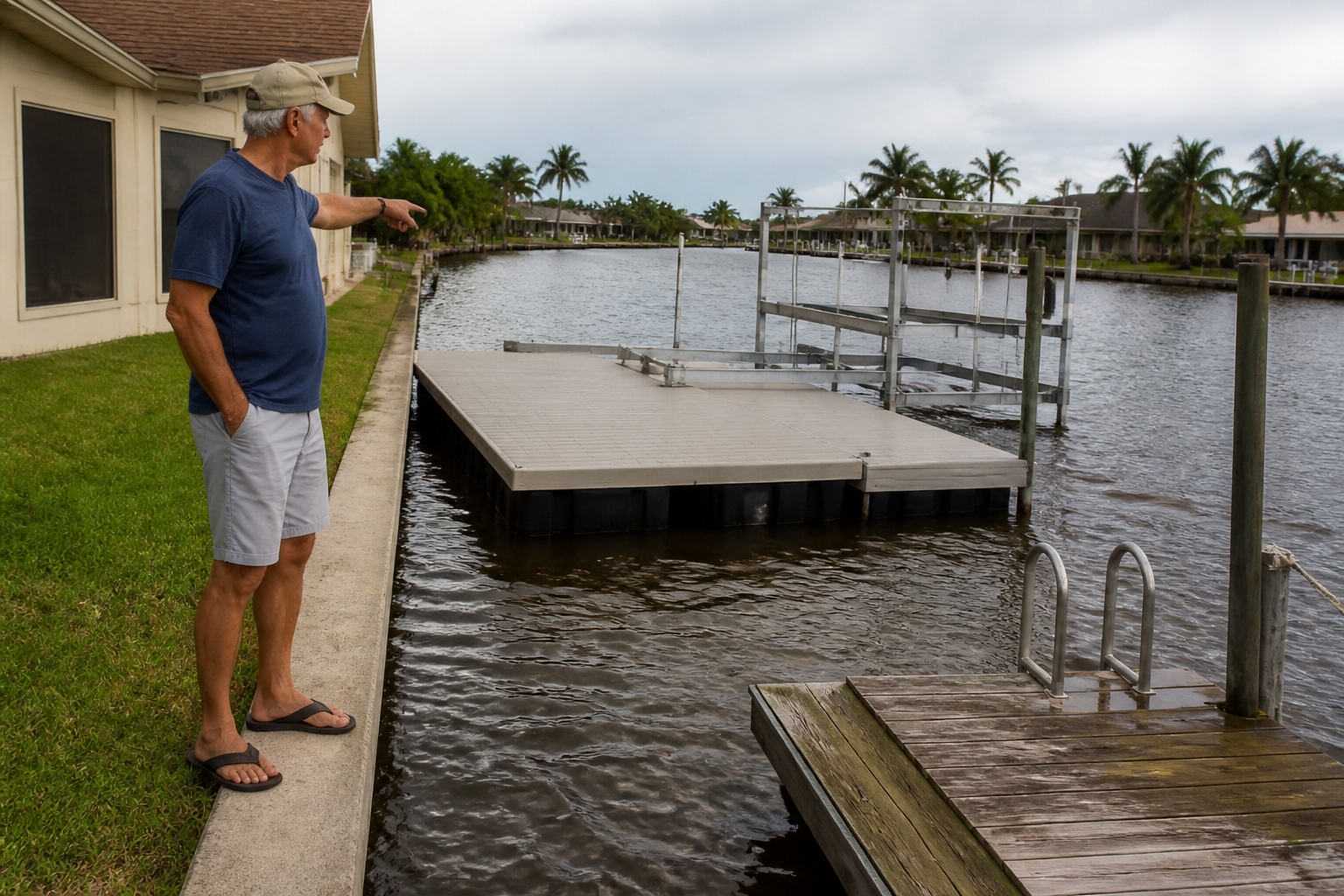
You own a waterfront home, so your barrier against erosion and flooding matters more than you might think. Small cracks, soil loss, or a leaning wall can lead to faster corrosion and more serious failure if left alone.
Knowing whether to opt for patching or full structural replacement can save you thousands and extend the life of your shoreline protection.
Harbor Bay Marine Industries has served Port St. Lucie, Stuart, Sewall’s Point, and Palm City for over 25 years. Call (772) 335-7080 for a professional inspection and an honest assessment tailored to your materials, exposure, and site conditions.
Key Takeaways
- Early detection of cracks and soil loss limits further erosion and structural failure.
- Patching extends life for minor issues; full replacement is needed for severe material or anchor failure.
- Material type, saltwater exposure, and years in service influence the right approach.
- Professional inspection can identify voids, bowing, and corrosion before loss accelerates.
- Timely maintenance reduces long-term expense and preserves property value.
Understanding Your Waterfront Defense System
What stands between your home and rising tides is more than just concrete or timber. A proper seawall acts as a deliberate barrier that reduces flooding and shields property from storm surge.
These onshore structures, as defined by the Dutton Institute, prevent or reduce overtopping of land and buildings. You should think of the wall as a long-term investment that protects lawns, docks, and foundations.
- Defense: Seawalls limit erosion and block direct water force during storms.
- Placement: Built parallel to the shoreline, the wall reinforces coastal profile for lasting stability.
- Monitoring: Constant exposure wears nearby soil and can undermine the base over time.
Regular checks keep small problems from growing. Maintaining the integrity of these walls preserves your view and your property value.
Common Causes of Seawall Damage
Keeping a waterfront barrier standing means understanding what pushes at it from both the water and the ground. Small forces add up over time and show up as visible distress.
Hydrostatic Pressure and Soil Erosion
Hydrostatic pressure builds when water collects behind the wall and can’t drain away. That trapped water exerts steady force that can crack or lean panels.
Poor drainage speeds soil erosion and allows backfill to wash out. This soil loss undermines the base and makes walls more likely to tilt or fail.
Corrosion and Aging Materials
Metal tie-backs, rebar, and steel anchors face constant saltwater exposure. Over time they rust and lose strength, which leads to separation and visible cracks.
Concrete and wood age from sun, waves, and salt. Repeated wave action — including boat wakes — accelerates deterioration and increases the need for timely repairs. Addressing these causes early preserves the life of your structure.
- Key causes: trapped water pressure, soil erosion, corroding metal, aging materials.
Recognizing Warning Signs of Structural Failure
A failing shoreline barrier often gives small clues long before a full collapse. Watch for changes around the base and surface that point to growing issues. These early warning signs help you decide whether simple fixes will hold or if more work is needed.
Visual Indicators of Instability
If sections of your wall lean or bow outward, excessive hydrostatic pressure is likely pushing from behind. A leaning element often means tie-backs or anchors have weakened and the structure may be unstable.
Look for soil loss behind the wall. Small depressions, sinkholes, or gaps near the footing mean water is washing material away and the foundation is at risk.
- Rust stains or flaking metal show corrosion in anchors and internal support.
- Small cracks can widen as water seeps in, leading to larger cracking and loss of strength.
- Monitor soil erosion behind seawall sections after storms or heavy tides.
Regular checks let you catch problems early. Prompt repair and targeted inspections preserve the structure and save time later.
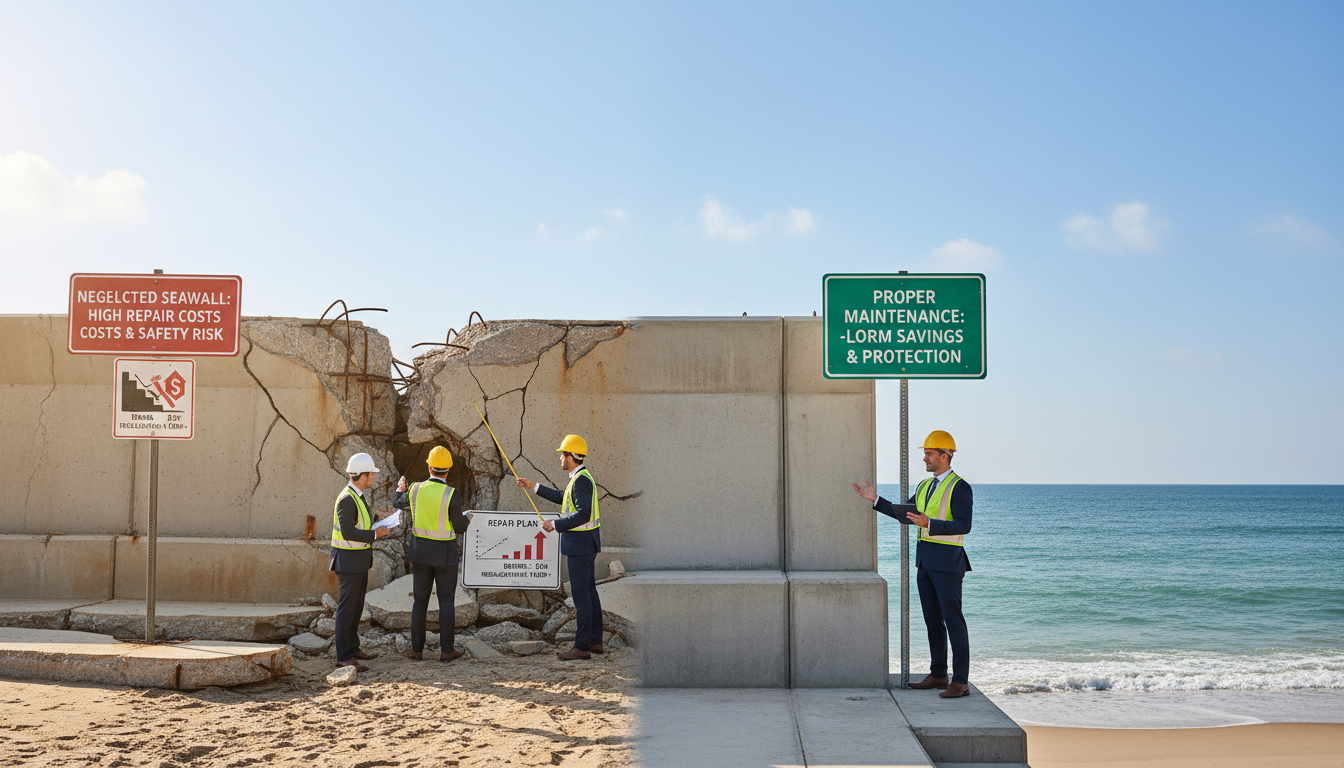
Seawall Repair vs Replacement Cost and Warning Signs
A clear inspection helps you choose between minor work and a full rebuild.
Minor fixes prolong life. Harbor Bay can reinforce and reseal concrete caps to improve appearance and add years to the structure. Simple patching or sealing often buys 10–15 years at a fraction of a full replacement.
Watch for these indicators:
- Small surface cracks that allow water to enter can be sealed with epoxy or grout injection.
- Soil loss or small sinkholes behind the wall often respond to pressure grouting or backfill work.
- Rust stains or chipped caps usually need patching to stop further corrosion.
- Clogged weep holes increase hydrostatic pressure; cleaning them is low-cost and effective.
“Early attention limits damage and lowers long-term expense.”
Use these clues to decide if targeted repairs will restore integrity or if material failure means you should plan for a full replacement. Prompt maintenance saves time and protects property value.
When Targeted Repairs Are the Right Choice
Early, focused work on weak spots can extend service life without heavy construction. You want fixes that stop water intrusion and limit soil loss while avoiding a full rebuild.
Sealing Cracks and Voids
Sealing cracks with hydrophobic polyurethane foam or grout stops water entry fast. This method fills voids and prevents further erosion behind wall sections.
Adjusting Tie-Backs
Reinforcing or replacing anchors restores lateral support and limits leaning. A Port St. Lucie canal job filled voids with pressure grout and swapped two tie-backs in just four days, returning stability quickly.
Cleaning Weep Holes
Clearing clogged weep holes reduces hydrostatic pressure after storms. It’s a low-cost step that prevents larger issues and prolongs life without major work.
| Method | Typical Time | Primary Benefit | When to Choose |
|---|---|---|---|
| Polyurethane injection | 1–2 days | Stops water intrusion, fills voids | Small cracks, minor voids |
| Tie-back adjustment | 2–4 days | Restores lateral support | Early leaning, loose anchors |
| Weep hole cleaning | Same day | Relieves pressure behind seawall | After heavy rain, clogged outlets |
“Targeted repairs can add 10–15 years of service when damage is caught early.”
Choosing the right repair saves time and money. Address localized issues now to avoid a full replacement later and protect your waterfront investment.
Identifying When Full Replacement Is Necessary
When your shoreline shows broad movement or large voids, it’s time to think beyond patches.
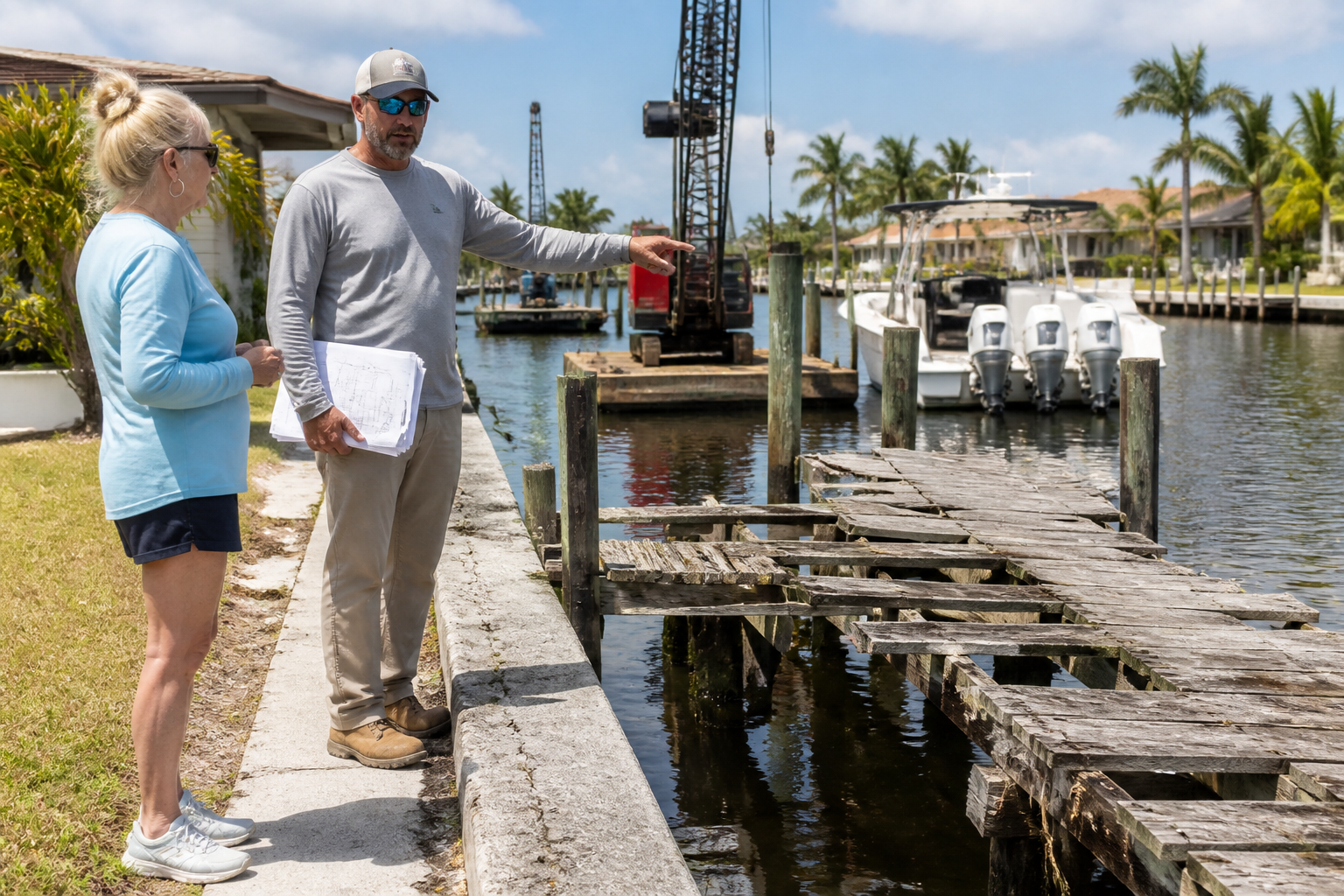
Deep cracks that cut through several panels mean the underlying structure is failing. If multiple sections show wide cracking, repairs only delay failure. Severe bowing or leaning signals anchor or tie-back loss and often needs a complete rebuild.
Widespread soil erosion or big sinkholes behind the wall show the foundation has lost support. For example, a Stuart riverfront concrete panel pushed outward more than six inches. That case required full replacement to protect the site long term.
If your concrete barrier is near 30–35 years old, replacement can be the most practical, long-term choice. Modern methods may add a new vinyl face in front of the old wall to limit excavation and reduce disruption.
| Indicator | Why it matters | Typical action |
|---|---|---|
| Deep, continuous cracks | Compromised panels, water entry | Full rebuild |
| Severe bowing or leaning | Anchor failure, unsafe tilt | Replace anchors or full install |
| Large sinkholes or soil loss | Foundation undermined | Full replacement with new foundation |
“When core elements fail, a one-time rebuild often saves time and extra cost later.”
Modern Materials for Long-Term Durability
New building options give you longer protection with less upkeep. Choosing the right material reduces water intrusion and limits soil loss near your property.
Comparing vinyl, concrete, and composite options
Vinyl panels are lightweight and flexible. They resist saltwater corrosion and perform well on residential plots with steady exposure.
Concrete is engineered for heavy loads. It suits boat ramps and commercial docks where strength matters most.
- Composite blends fiberglass and resin for UV resistance and long life.
- We use marine-grade concrete plus stainless-steel hardware for caps and anchors to cut corrosion risk.
- Modern choices can last 40–50 years with routine maintenance and fewer mid-life fixes.
| Material | Typical Life (years) | Best Use | Key Benefits |
|---|---|---|---|
| Vinyl | 40–50 | Residential shorelines | Lightweight, saltwater resistant, flexible |
| Concrete (marine-grade) | 40–60 | High-load areas, marinas | High strength, durable under pressure, robust against cracking |
| Composite | 40–50+ | UV-exposed sites, modern builds | Low maintenance, corrosion and UV resistant |
Choosing the right material affects long-term life and lowers the need for frequent repairs. Match the material to exposure, anchors, and expected load to cut future damage.
“Selecting durable materials now saves time and helps prevent common problems later.”
The Role of Professional Inspections
A trained inspector spots subtle movement and hidden voids long before issues become obvious.
Harbor Bay Marine Industries performs a full on-site inspection that blends a visual check with pressure testing and material evaluation. This approach reveals problems in the wall and soil that quick looks miss.
Good inspections identify whether a simple patch will help or if broader work is needed.
- Experts examine cracks, alignment, tie-backs, drainage, and signs of erosion to assess the overall structure.
- Pressure and stability tests measure hydrostatic pressure and soil movement under live conditions.
- An honest inspection can prevent unnecessary upsells — sometimes avoiding a major replacement when modest repair suffices.
| Inspection Step | What it finds | Typical outcome |
|---|---|---|
| Visual assessment | Cracks, leaning, rust stains | Targeted repairs or monitoring |
| Pressure/stability testing | Hidden voids, soil movement | Anchor work or foundation plans |
| Material evaluation | Corrosion, panel integrity | Recommend repair or full replacement |
“Regular, clear inspections give you confident choices and protect your waterfront investment.”
Preventive Maintenance for Coastal Property
Small, regular checks keep coastal defenses working and stop tiny problems from growing into major failures.
Rinse your seawall with freshwater after heavy storms to remove salt and reduce corrosion. Clear weep holes so trapped water can escape and pressure behind the wall drops quickly.
Trim roots and remove invasive plants that cause soil loss near the footing. Watch for small cracks or shallow voids behind wall sections and note any change in alignment.
Schedule a professional inspection every 2–3 years. A trained inspector finds hidden voids, rising pressure, or early material fatigue before failure becomes urgent.
- Keep debris from clogging drainage outlets.
- Rinse surfaces after storms to slow corrosion.
- Address soil movement quickly to protect long-term durability.
“Routine maintenance is the most effective way to protect your waterfront investment.”
If you notice changes after a storm or an unusually high tide, call a pro for a no-pressure evaluation. Prompt action saves time and extends the life of your walls.
Conclusion
Making the right choice starts with a clear look at the structure. Check for visible cracks, movement, and soil loss to judge if a targeted fix will hold or if you need a full replacement.
Strong. Routine maintenance and timely inspections let you catch small damage before it spreads. Short-term repairs often restore life to panels and reduce erosion risk.
If multiple sections show broad movement, plan for a rebuild to protect your property long term. Talk with experienced marine contractors who give honest guidance and practical next steps.
Take action now to protect your view, limit water intrusion, and preserve the value of your coastal investment.
FAQ
What are the common causes of waterfront wall damage?
Damage often starts from soil loss behind the structure, hydrostatic pressure buildup, and erosion from waves and currents. Corrosion of steel anchors or tiebacks and aging concrete also weaken the barrier. You’ll notice increased movement, cracks, or voids where the earth no longer supports the structure.
Which visual indicators mean you need a professional inspection?
Look for bowing or leaning, vertical and horizontal cracking, sinking or settled cap sections, and persistent water intrusion behind the wall. Exposed or corroded anchors, large gaps at joints, and sudden loss of fill are urgent signs you should not ignore.
When is patching enough and when must the whole structure be replaced?
Targeted fixes work if damage is localized—like small cracks, clogged weep holes, or a few failing tiebacks. Full replacement is usually needed when there’s widespread corrosion, extensive undermining, multiple bowed panels, or compromised foundation below grade.
What targeted methods are commonly used to fix minor problems?
Typical fixes include filling cracks and voids with structural grout, adjusting or replacing tiebacks and anchors, cleaning and restoring weep holes to relieve pressure, and applying protective coatings to slow corrosion. These extend life and buy time before major work.
How do hydrostatic forces behind the wall affect performance?
Water trapped in the soil raises pressure that pushes outward on the structure. If drainage is blocked or soil becomes saturated, pressure increases rapidly and can cause bulging, cracking, or sudden failure. Proper drainage and functioning weep systems keep that pressure in check.
What modern materials hold up best in saltwater environments?
Options include marine-grade concrete with corrosion-resistant rebar, vinyl sheet piling with stainless-steel fasteners, and composite materials that resist rot and corrosion. Each material has trade-offs in lifespan, maintenance, and initial price, so match choice to conditions.
How often should you schedule professional inspections?
Have a licensed coastal or geotechnical inspector evaluate the structure every 2–4 years, and after major storms or unusual tides. Regular checks catch early soil loss, anchor corrosion, and drainage failures before they become costly problems.
What are the signs of anchor or tieback failure?
Signs include panel rotation, movement at connection points, sagging tops, and visible rust on exposed hardware. You may also see new gaps or shifted joints where load transfer used to occur. Anchors need timely attention to prevent progressive collapse.
How does soil erosion behind the wall speed up deterioration?
When soil washes away, the structure loses lateral support and load paths change. That increases stress on panels, anchors, and the foundation. Voids can form, leading to uneven settlement and concentrated cracking that accelerates failure.
What short-term steps can you take if you spot water intrusion behind the wall?
Clear vegetation and sediment from weep holes and drainage channels, add temporary sandbags to reduce wave attack, and hire a contractor to assess saturation and pressure. These actions reduce immediate risk while you plan permanent work.
How does corrosion affect concrete and steel components over time?
Corrosion expands steel, cracking surrounding concrete and weakening structural ties. As reinforcement degrades, load capacity drops and durability plummets. Saltwater speeds the process, so protective coatings and stainless materials are key in coastal settings.
What factors most influence the price difference between fixing and replacing?
Scope of damage, material choice, access difficulty, local permitting, and required geotechnical work all drive cost. Repairs are cheaper when issues are limited; full replacement becomes more economical when repeated fixes won’t restore long-term performance.
Can you extend service life with preventive maintenance?
Yes. Routine inspections, clearing drainage, corrosion control, replacing compromised anchors, and timely grout repairs slow deterioration. Small investments in upkeep prevent rapid failure and defer the need for full replacement.
How long do modern installations typically last?
Lifespan varies: properly installed marine concrete can last 30–50+ years, vinyl sheet piling often lasts 20–40 years depending on exposure, and high-quality composites can reach similar ranges. Regular maintenance and material selection for conditions are decisive.
When should you involve a structural engineer or geotechnical expert?
Bring experts in when you see systemic movement, exposed or failing anchors, foundation undermining, or when major remediation or replacement is under consideration. Their analysis guides safe, code-compliant solutions and helps you avoid costly mistakes.