Surprising stat: nearly 70% of Gulf Coast waterfront upgrades include mechanical systems that double the value of a dock project.
You want a clear number for your waterfront plan, but figures change with site needs. Two main parts shape the final figure: the equipment itself and the site work needed to fit your dock to local water and wind forces.
For Gulf Coast projects, durability matters. Salt, tides, and storms push you toward stronger materials and careful electrical runs. That affects the price more than the model you pick.
Talk to a pro such as Meredith at 970/389.2905 to get an estimate tailored to your property. Expect questions about water depth, the distance of electrical runs, and your vessel type. Those details guide a realistic projection and a safe installation.
Key Takeaways
- Two cost phases: equipment purchase and site work for your dock.
- Gulf Coast conditions raise material needs and influence price.
- Electrical run length and vessel type are common cost drivers.
- Contact Meredith at 970/389.2905 for site-specific ranges.
- Proper installation protects your water vessel from harsh elements.
Understanding How Much Does a Boat Lift Cost Installed in Florida
Price estimates for dock equipment vary a lot, and understanding typical ranges helps you plan. Residential systems usually span $1,500 to $30,000, depending on size, materials, and site needs.
Investing in quality pays off. A properly fitted boat lift protects hulls from corrosion and blistering. That protection adds long-term value to your waterfront property and gives real convenience when you head out on the water.
- Owners ask about boat lift cost because they want to protect their investment and save time at the dock.
- Professional installation matters—secure anchoring and correct electrical runs keep lifts reliable through storms.
- On the Gulf Coast, rugged materials and smart placement reduce future repair costs.
Bottom line: plan for wide price bands, factor in installation and site work, and choose options that increase both enjoyment and property value.
Key Factors That Drive Your Total Project Budget
Start by measuring the loaded weight and noting water depth near your dock. Those two checks shape both equipment size and site work needs. On the Gulf Coast, tough conditions mean your plan should be conservative.
Boat Weight and Capacity
Your lift capacity must match the real loaded weight, not just the brochure dry weight. Add fuel, batteries, gear, and any aftermarket items when you calculate total weight.
Tip: undersizing causes mechanical strain and higher maintenance over time.
Water Depth and Dock Conditions
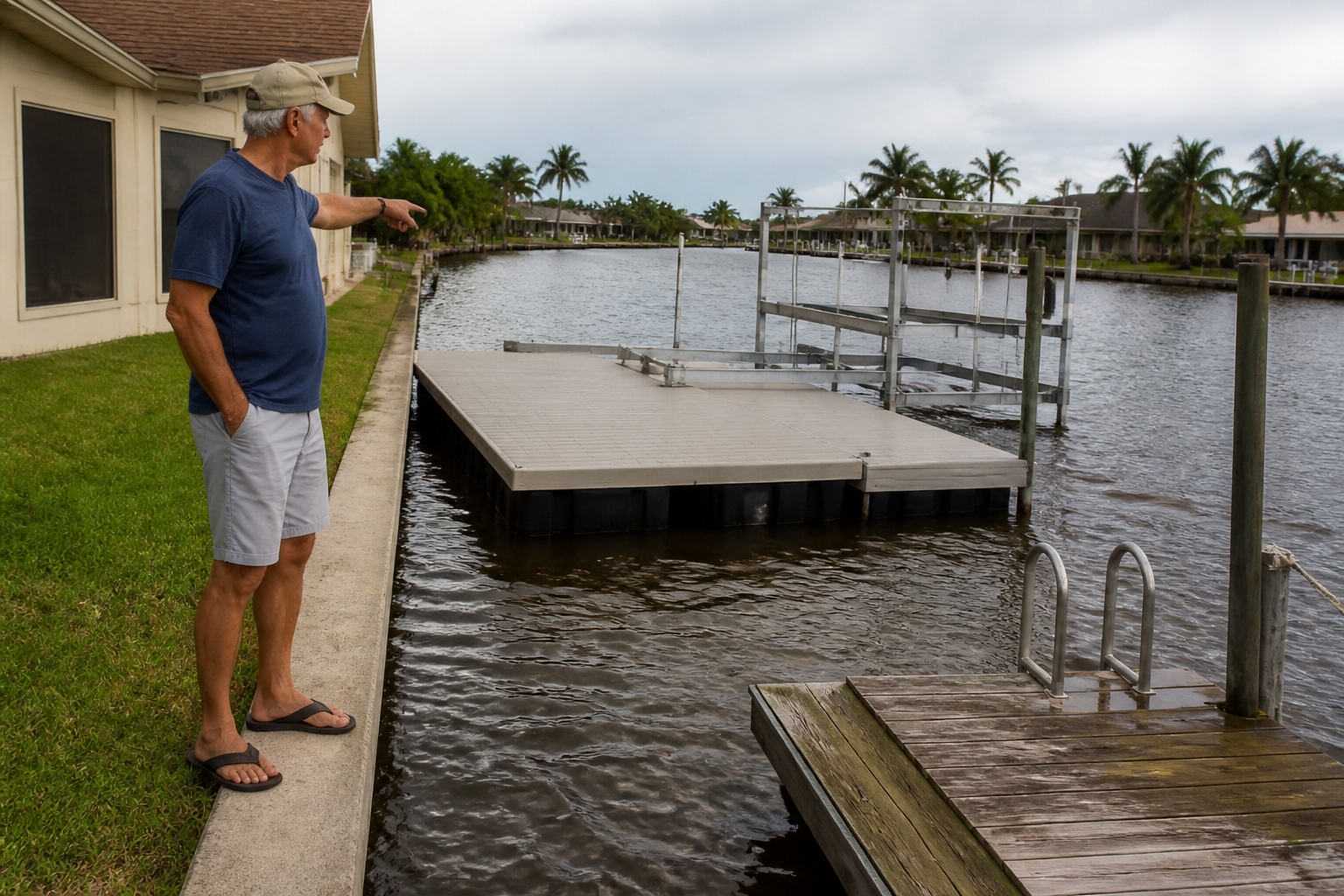
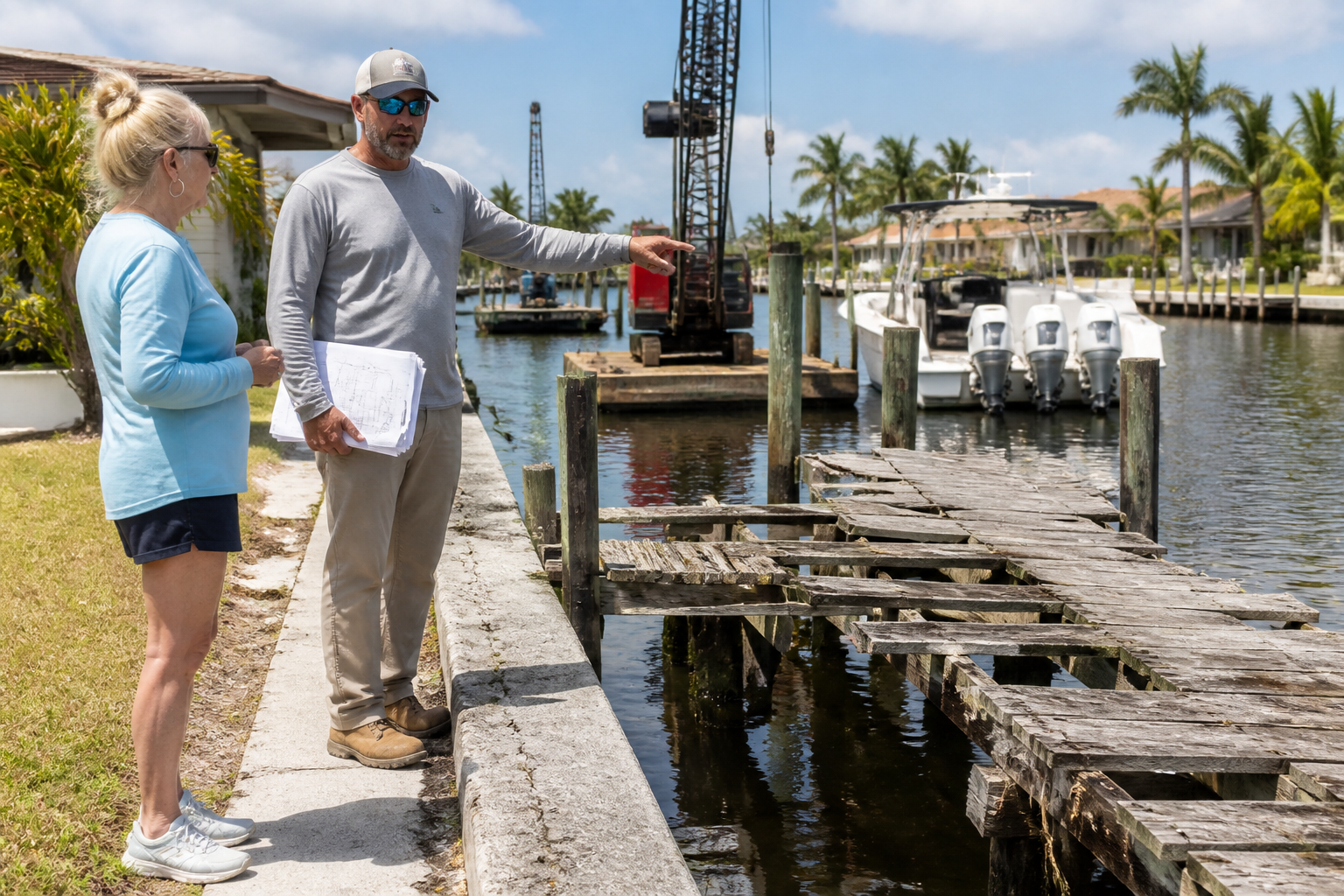
Water depth and the state of pilings often drive the biggest portion of project costs. If pilings must be added or moved, site work can eclipse equipment price.
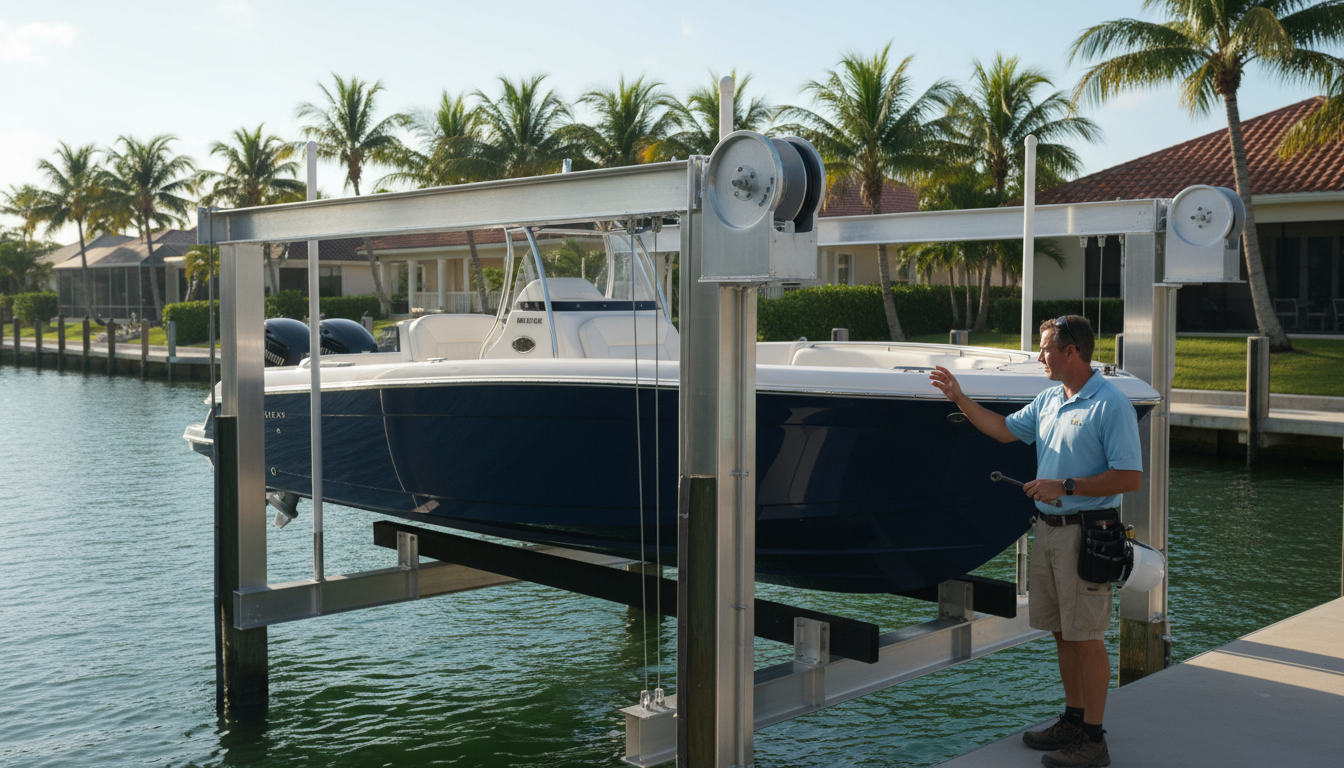
Aluminum frames are common on the gulf coast because they cut weight and reduce long-term maintenance for waterfront projects.
- Choose capacity based on loaded weight and boat size.
- Have a pro assess depth and dock condition before you order.
- Plan for robust materials when boats are large or conditions severe.
Comparing Popular Boat Lift Types and Their Price Points
Choosing the right system means matching capacity and features to your waterfront and daily routine.
PWC and jet ski lifts are compact and budget-friendly. On the Gulf Coast, typical installed ranges sit between $3,000 and $7,500. These units save space and keep personal watercraft safe with minimal maintenance.
PWC and Jet Ski Options
These are ideal when you need simple, reliable storage that won’t overwhelm your dock. Remote controls and added features raise lift costs slightly.
Cradle and Vertical Systems
Cradle and vertical systems suit many medium vessels. Your water depth and dock layout will decide which type fits best. Always use loaded weight, not dry weight, when sizing these systems.
Hydraulic and Platform Systems
Hydraulic lifts are chosen for larger boats for their smooth operation and power. Heavy-duty systems can exceed $70,000, but aluminum construction lowers long-term upkeep under harsh conditions.
- Match lift to loaded weight and boat size.
- Consider features and controls vs. lift costs.
- Balance budget with long-term maintenance and gulf coast conditions.
Why Professional Installation and Site Work Matter
Proper setup and site checks make the difference between a dependable system and constant repairs. You want the system balanced, anchored, and wired so it runs safely through tides and storms.
The Importance of Electrical and Structural Support
Lamulle Construction specializes in marine projects across the Mississippi Gulf Coast and Louisiana. Their crews match equipment to your dock, water depth, and local conditions.
Why this matters: correct anchoring protects your boat from structural damage over the long run. Proper electrical work keeps controls reliable and meets safety codes.
- Professional installation ensures the right lift and size for your dock and loaded weight.
- Quality materials like aluminum reduce long-term maintenance and resist corrosion.
- Site checks of depth and dock stability prevent surprises during setup.
- A well-installed system adds value to your waterfront property and gives daily convenience.
“A balanced system saves you time and money by avoiding frequent repairs.”
Essential Add-Ons for Convenience and Protection
Choosing the right extras makes routine docking faster and safer.
Remote controls and motor stops add real convenience. You can operate the system from the dock or your vessel, which speeds boarding and reduces wear.
Protective hardware and piling wraps guard metal parts from salt and abrasion. These are vital when larger boats sit on the system for long periods.
- High-quality aluminum components reduce long-term maintenance and resist corrosion.
- Guide posts and bunk upgrades center your hull and lower repair risks.
- Match accessories to your loaded weight and water depth for safe operation.
| Accessory | Benefit | Best for |
|---|---|---|
| Remote control | Hands-free operation, better docking | All sizes |
| Piling wraps | Corrosion protection, longer life | Larger boats |
| Bunk & guide posts | Centered storage, hull protection | Vessels with uneven weight |
ShoreMaster systems pair well with these add-ons, so your waterfront property stays functional and enjoyable for the long run.
Conclusion
Choose the right system by matching capacity, materials, and local conditions with your goals. Professional installation makes the difference between reliable operation and repeated repairs.
Always verify loaded weight and exact water depth at your dock. These checks guide sizing and site work so the final cost stays realistic.
Investing in a quality boat lift protects your vessel and boosts property value. Get multiple written quotes, confirm permits, and pick durable materials for years of easy access and worry-free use.
FAQ
What range should you expect for a complete installed lift on Gulf Coast waterfronts?
Expect broad ranges because site conditions, materials, and lift type vary. Small PWC lifts often start lower, while large aluminum cradle or hydraulic systems for bigger vessels run higher. Shoreline access, depth, and dock reinforcement affect the final price, as do delivery and electrical hookup.
How do vessel dry weight and beam influence the right lift choice?
The dryer weight and beam determine capacity and cradle size. You need a lift rated above your vessel’s loaded weight and beam so the hull sits properly. Undersized systems wear faster and risk damage, so choose a margin above manufacturer specs.
Why does water depth change installation needs?
Shallow or fluctuating depths may require longer legs, a different lift style, or extra piling, while deep water can let you use shorter supports but might raise crane or barge costs. Tidal range, current, and bottom composition also drive structural choices.
Which lift types suit larger boats versus PWCs or jet skis?
PWCs and jet skis often use compact, economical lifts or platform systems. Larger vessels benefit from bunks or vertical cradle lifts and, for premium comfort, hydraulic lifts. Each type trades off price, convenience, and maintenance needs.
What site work tends to add the most to your invoice?
Piling replacements, dock reinforcement, and electrical runs are common cost drivers. Rocky bottoms, seawall work, or required permits increase labor and equipment time. If your dock needs rebuilding or leveling, plan for a noticeable jump in budget.
How important is professional installation versus DIY?
Professional installers bring safety, warranty compliance, and proper electrical and structural connections. They also handle permits and inspect tidal and load conditions. DIY can save upfront labor but often risks poor alignment, code violations, and voided warranties.
What electrical or structural support will an installer add?
Installers typically run a dedicated circuit, GFCI protection, and a disconnect switch. Structurally, they may add pilings, galvanized hardware, and reinforced stringers or transfer plates to spread loads from the lift into the dock and seabed.
Which add-ons improve long-term protection and convenience?
Covered roofs, galvanized or aluminum hardware, remote controls, battery backups, and guides reduce wear and make retrieval easier. UV-resistant canopy covers and sacrificial anodes help protect metal in saltwater environments like the Gulf Coast.
How often will you need maintenance and what does it cost?
Expect annual inspections and periodic fueling of hydraulic reservoirs, cable checks, and hardware tightening. Simple maintenance is affordable, but replacing cables, motors, or corroded parts can be more costly—budget routine service to avoid large surprises.
Does installing a lift increase your property value?
Yes—waterfront buyers value dock conveniences. A well-installed, corrosion-resistant system that matches your vessel enhances usability and can make your property more attractive, especially in active boating markets like Florida’s Gulf Coast.
How do material choices affect lifespan and service in saltwater?
Aluminum resists corrosion and lowers long-term maintenance compared with untreated steel. Hot-dipped galvanized components help, but regular flushing with fresh water and zinc anodes remain essential in saltwater to maximize life expectancy.
What permits or inspections might your local jurisdiction require?
Coastal counties often require building permits, shoreline protection approvals, and electrical inspections. Some municipalities enforce setback rules or require environmental reviews. A licensed installer usually handles permitting to keep the project compliant.