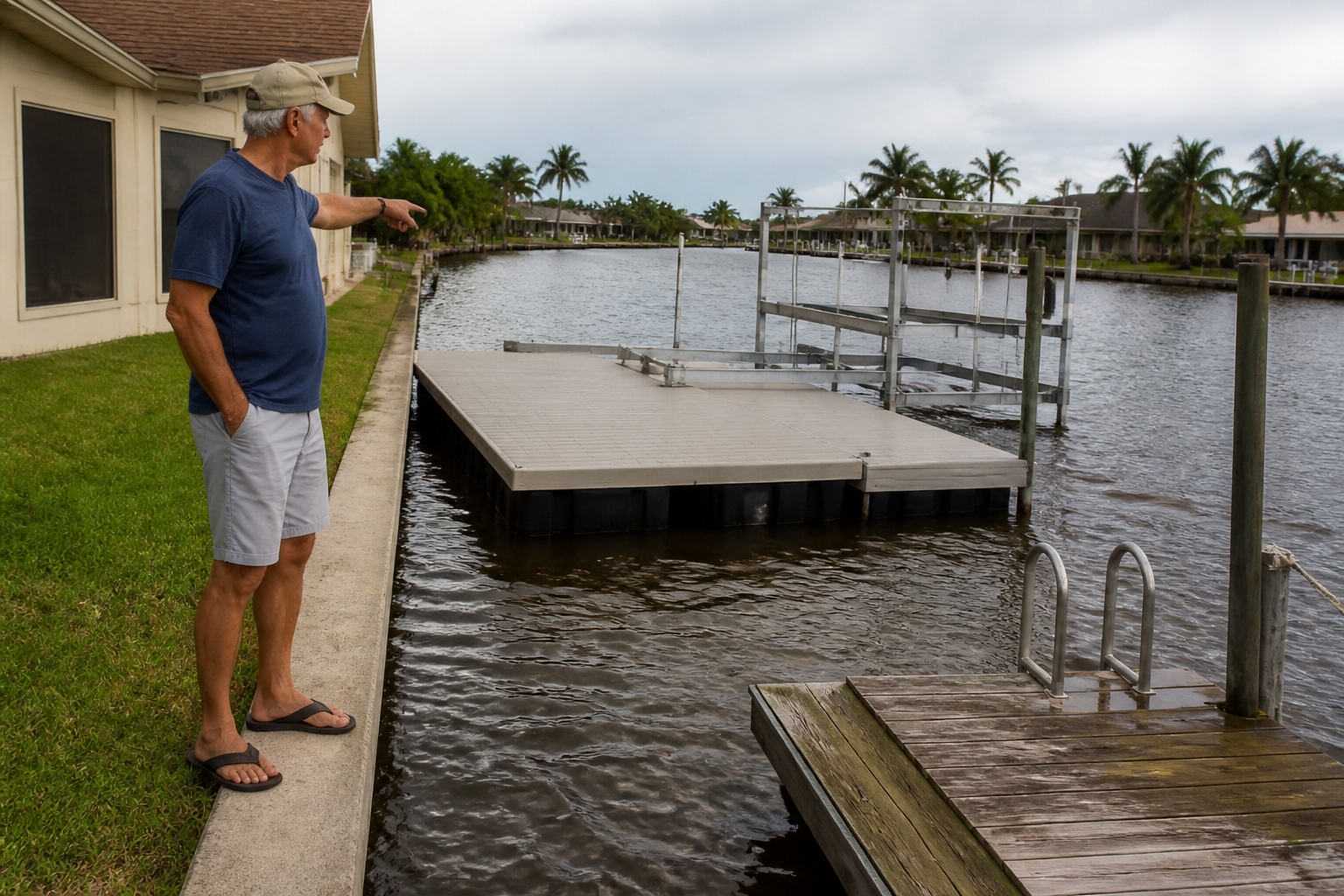
Surprising fact: in South Carolina, sun, heat and saltwater can shave years off a wooden dock’s life, even though many last 20 to 30 years with care.
You face a real choice when your boat dock shows wear. It affects safety, daily use and your waterfront investment. A simple repair can extend life, while modern materials such as aluminum or marine composites may offer longer service and less maintenance.
Deciding whether to invest now or plan for full replacement means weighing present needs against future value. Professional dock services can inspect your wood, pilings and fasteners and suggest if spot repairs will do or if new materials will save you time and headaches later.
Key Takeaways
- South Carolina’s climate shortens the life of wooden docks.
- Small repairs can protect your waterfront investment today.
- Aluminum and composite materials often reduce future maintenance.
- Professional dock experts help you judge immediate needs vs long-term value.
- Think about safety, property value and time on the water when deciding.
Understanding Dock Repair vs Replacement Cost Which Is Better
After the boating season ends, you have a clear window to inspect how your waterfront platform survived the year. A careful check helps you spot soft spots, loose fasteners, and worn decking before spring returns.
Start with a full walk‑through. Pulling your platform from the water or lifting it for a close look reveals how wood, pilings, and hardware fared against sun and waves. That information shapes your decision about whether targeted fixes will hold or if a larger change makes sense.
- Seasonal inspections reduce surprise failures when you put things back in the water.
- Assess structural integrity, not just surface wear, to avoid repetitive repairs.
- Consider material life: some wood needs frequent maintenance while modern options last longer with less upkeep.
“A post‑season inspection is the smartest way to protect your waterfront investment.”
Understanding your specific dock needs first saves time and money later. If you find repeated fixes every year, plan for a lasting solution so your family and boat stay safe on the water.
Identifying Signs of Structural Damage
A quick walk along your waterfront can reveal early warning signs before small problems become major failures.
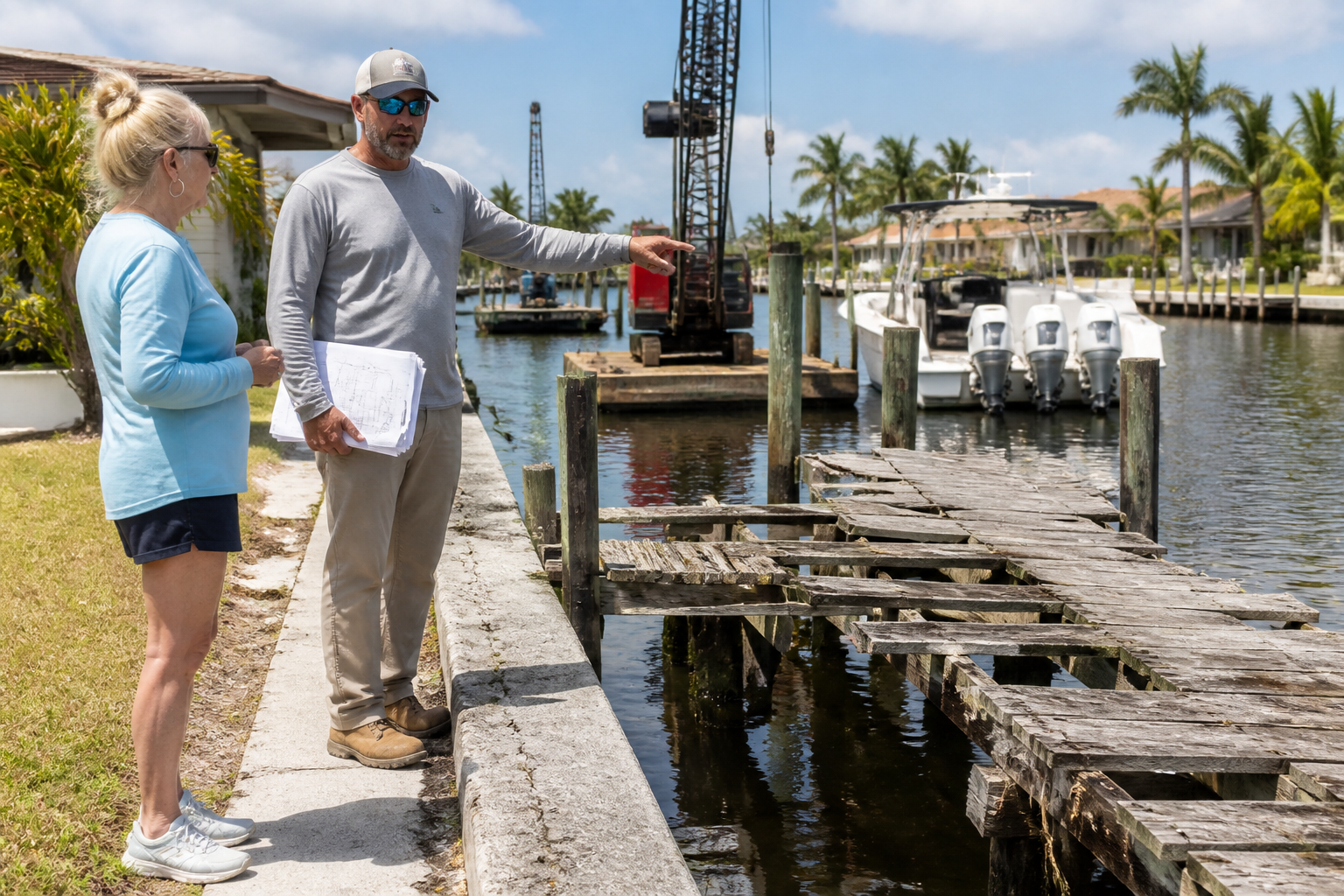
Start with visible trouble spots. Look for soft, spongy areas in wood and any sinking sections of the frame. Pearce Marine Construction warns that sinking or extensive rot needs immediate attention from a professional.
Frame and Foundation Issues
Check pilings and the substructure for cracks or shifts. Visible foundation cracks or uneven settling are clear signs that the structure may not support normal loads.
Decking and Surface Hazards
Inspect your deck boards for decay and loose boards that can trip you or let water reach the underside.
Older wooden docks are especially susceptible rot from constant moisture and fungi, so watch for soft spots and split boards.
Hardware and Connection Points
Rust on fasteners, bolts, brackets, and cleats weakens connections. Tighten or replace corroded components to prevent sudden failures.
- Soft wood or visible cracks indicate structural damage.
- Loose boards create safety hazards and speed up decay.
- Corroded fasteners mean immediate maintenance is needed.
“Ignoring small problems like loose boards can lead to much larger, more expensive repairs.”
Early inspection of components lets you plan targeted boat dock repair before damage spreads through the frame. Regular checks save time and protect your waterfront over the long run.
Evaluating the Financial Threshold for Repairs
Before you sign off on another patch job, run the numbers against a fresh build estimate. Small fixes feel cheaper, but repeated bills add up and eat into your waterfront plans.
The Fifty to Seventy Percent Rule
The rule says that when repair expenses reach about 50–70% of a new structure’s price, you should seriously consider replacement. Typical boat dock repair work often runs from $250 to $1,500, while major storm rebuilding can exceed $15,000.
A new dock usually ranges from $7,000 to $25,000 depending on size and materials. If you’re paying thousands each season, you may be at the end of your platform’s useful life.
- Apply the 50–70% rule to decide if a repair replace move makes financial sense.
- Track every repair so you see when cumulative spending nears a new build price.
- Factor in time and ongoing maintenance when weighing long-term value.
- A professional assessment clarifies whether replacing dock components will protect your investment.
“Compare immediate bills to long-term performance to make a sound decision.”
Comparing Material Lifespans and Maintenance Needs
Choosing the right materials can change how long your waterfront platform keeps serving your family. The choice affects how much time you spend on upkeep and how often major fixes become necessary.
Traditional Wood vs Modern Composites
Wood offers a classic look but needs frequent sealing and staining to fight UV and water. Wooden docks are susceptible rot and need more routine repairs than modern options.
Composites resist moisture and insects, reducing your yearly maintenance. They cut the need for sanding and staining while keeping a similar feel underfoot.
Benefits of PVC and Aluminum
PVC decking like Trusscore’s DockDeck stays lightweight and won’t support mold or mildew. It costs more up front but lowers ongoing maintenance.
Aluminum lasts decades and resists corrosion, which keeps fasteners and bolts performing well. Investing in these materials can reduce the frequency of boat dock repair and extend dock life.
| Material | Typical Lifespan | Maintenance |
|---|---|---|
| Wood | 10–20 years | High: staining, sealing, frequent repairs |
| Composite | 20–30 years | Low: occasional cleaning, minimal repairs |
| PVC (DockDeck) | 20–30+ years | Very low: cleaning, check fasteners |
| Aluminum | 30+ years | Minimal: inspect hardware, clean areas |
“Proper cleaning and tightening bolts multiply the life of any platform.”
- Use high-quality deck boards and fasteners to prevent rust and failure.
- Annual pressure washing and hardware checks keep your structure safe.
- Choosing PVC or aluminum reduces the time you spend on dock maintenance and lowers long-term repairs.
The Role of Professional Inspections
A trained inspector can spot hidden trouble that a casual walkover will miss. Hiring a pro costs about $50 to $100, but it often prevents emergency fixes later.
Experts recommend an annual check at the end of the boating season and an immediate visit after any big storm. Inspectors use moisture meters and other tools to find rot and early structural damage.
An underwater assessment is key for fixed pilings. What looks fine from above can hide serious wear below the waterline.
A detailed report lists recommended boat dock repair steps, estimated prices, and a timeline. That clarity helps you plan maintenance and save time and money over the long run.
- A pro catches signs you might miss during a quick walk-through.
- Inspections review all components, from decking down to underwater supports.
- Small spending on inspection prevents costly boat dock repair later.
“A single inspection can turn uncertainty into a clear plan for safe waterfront use.”
Navigating Permits and Environmental Regulations
Before you swing a hammer or order new materials, understand the legal steps that protect your waterfront and keep your project trouble-free.
Local permits often cost between $50 and $300, depending on scope and your building department rules. In coastal or sensitive wetland areas, you may also need wetlands permits or approval from the U.S. Army Corps of Engineers for larger projects.
Notify your insurance company before major upgrades or when you replace dock sections. Policies sometimes require specific maintenance routines for wood or composite deck systems to remain valid.
Legal and Insurance Considerations
Follow these practical steps to avoid fines and delays:
- Check with your local building department about permit requirements before starting major boat dock repair or when you plan to replace dock elements.
- Use marine-grade materials and marine-safe stains to protect water quality and wildlife during maintenance.
- Document permits, inspection reports, and receipts to show compliance to insurers and regulators.
- Dispose of old material responsibly to avoid penalties and protect the waterfront ecosystem.
- If you notice environmental signs of degradation near your structure, consult a professional to ensure repairs meet rules and best practices.
“Proper documentation and permits are a necessary part of the process when you undertake significant work on your boat dock.”
Tip: Early contact with local authorities speeds approvals and keeps your project on schedule. When in doubt, hire a licensed contractor who knows local and federal rules.
Conclusion
Your waterfront platform deserves a clear plan that balances safety, value, and ongoing upkeep. Assess the structure for early signs and get a professional dock inspection when you see soft spots, rust, or failing fasteners.
Use the 50–70% rule when you weigh repair replace options. Clean deck boards, tighten bolts, and choose materials like aluminum or quality decking to extend dock life and lower future maintenance.
In short, act promptly on structural damage, track repairs, and work with experienced marine pros. That approach protects your waterfront investment and keeps your boat time on the water safe and enjoyable.
FAQ
How do I know if my dock needs a quick fix or a full rebuild?
Look for major frame or foundation problems, widespread rot in decking, sagging sections, or compromised pilings. If damage concentrates in surface boards or a few fasteners, you can often patch or replace those parts. When structural members, support beams, or anchoring show failure, a rebuild usually protects safety and value better than repeated spot fixes.
What signs of structural damage should you inspect regularly?
Check the frame for cracked or split beams, loose or corroded bolts, and wobbling connections. Walk the surface to spot soft or springy boards, large gaps, and uneven sections. Inspect hardware at connection points for rust, bent brackets, or missing fasteners. Early detection saves money and extends service life.
Is there a simple financial rule to decide between fixing and replacing?
A common guideline compares repair expenses to replacement value — if repairs approach 50–70% of what a new structure costs, replacement usually makes more sense. That threshold accounts for remaining useful life, expected maintenance, and potential hidden damage you might uncover during work.
How do different materials affect long-term maintenance and expense?
Traditional pressure-treated wood starts cheaper but needs frequent maintenance and is prone to rot and fastener issues. Composites cost more up front but resist moisture, splintering, and staining, lowering upkeep. PVC decking and aluminum framing offer excellent corrosion resistance and long lifespans but come with higher initial outlay.
Are aluminum or PVC systems worth the extra money?
If you want minimal maintenance and long-term durability, yes. Aluminum frames resist rust and insect damage; PVC and composite surfaces resist rot and require little sealing. These materials reduce seasonal upkeep and extend usable life, which often offsets higher purchase and installation costs over time.
When should you call a professional inspector or contractor?
Hire a pro if you see structural failures, suspect piling damage, need an accurate lifespan estimate, or plan a major upgrade. Professionals can identify hidden issues, recommend materials, and provide quotes that help you weigh repair versus replacement with confidence.
Do permits or environmental rules affect your decision?
Yes. Waterfront work often requires local permits, wetlands compliance, or coastal zone approvals. Replacement projects can trigger stricter reviews, mitigation, or insurance requirements. Factor permitting timelines and potential mitigation costs into your plan.
How does boat use and seasonal exposure influence the choice?
Heavy boat traffic, frequent docking impacts, and seasonal ice or storms increase wear and increase the case for sturdier materials or full replacement. If you plan heavy use, investing in durable framing and resilient decking saves money and downtime over multiple seasons.
Can selective component replacement extend life without replacing everything?
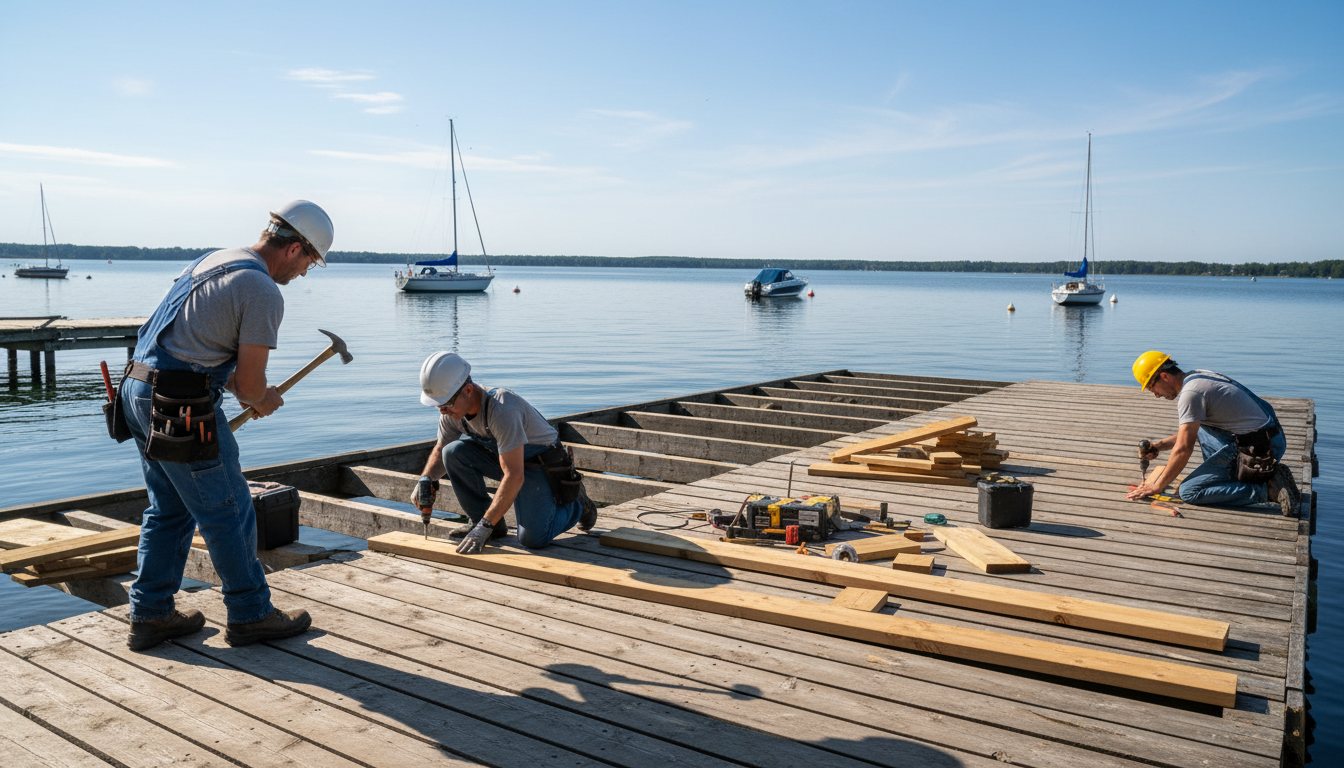
Often yes. Replacing deck boards, fasteners, or hardware and reinforcing key beams can add years to the structure at a fraction of replacement cost. However, this works best when the underlying frame and pilings remain sound and inspections confirm no widespread deterioration.
What maintenance steps keep your investment sound after repair or replacement?
Keep fasteners tight, replace damaged boards promptly, clean surfaces to prevent mildew, and seal wood if applicable. Schedule annual inspections and address minor issues before they grow. Regular upkeep preserves safety and resale value while delaying major expenses.